
Pneumatic Hose Diameter Calculation: Proper Hose Selection and Flow Relationship
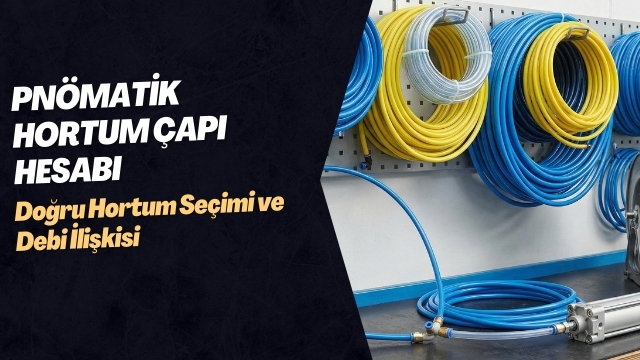
Pneumatic Hose Diameter Calculation
Hose diameter selection is critical for system performance and efficiency. Incorrect hose size causes pressure loss and slow cylinder motion.
Selection Parameters
Flow rate
Pressure
Hose length
System speed
Port size
Flow vs Hose Diameter
Higher flow requires larger hose diameter. Small hoses restrict airflow and cause pressure drop.
Pressure Loss
Narrow hose increases pressure loss and reduces cylinder performance.
Example Hose Table
| Flow (L/min) | Recommended Hose Diameter |
|---|---|
| 100 | 6 mm |
| 300 | 8 mm |
| 600 | 10 mm |
| 1000 | 12 mm |
| 1500 | 16 mm |
Why Proper Selection Matters
Reduces pressure loss
Improves efficiency
Enhances performance
Extends system life
Conclusion
Correct hose diameter ensures efficient pneumatic operation.
To understand how pneumatic systems work, read How Pneumatic Systems Work.For detailed pneumatic calculations, see Pneumatic System Calculations.To learn about system components, visit Pneumatic System Components.In accordance with Personal Data Protection Law No. 6698 (KVKK) and GDPR standards, you can review the cookie categories used on our platform and update your preferences at any time.
Technically required for shopping cart, member login, 256-Bit SSL / PAYTR payment security, language/currency selection, and storing your cookie consent record.
Allows us to anonymously measure visitor traffic, most viewed industrial product categories, and page load speeds to improve our service quality.
Helps remember your recently viewed technical products, comparison list, and filter preferences across visits.
Used to display industrial product announcements and B2B campaigns tailored to your technical needs on search engines and partner platforms.