


ISO 15552 Pneumatic Cylinders
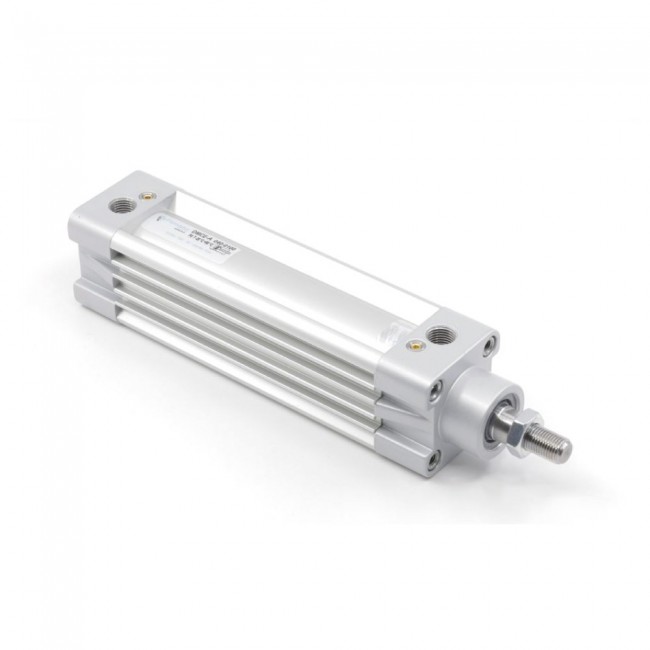
ISO 15552 Series Pneumatic Cylinders: Standards, Technology, and Their Importance in Industry
Pneumatic systems are widely used in modern industrial automation technologies and form the backbone of many production processes. At the heart of these systems are pneumatic cylinders, which are responsible for generating motion and force in a wide range of applications. The ISO 15552 standard is a key international regulation that defines the dimensions, performance criteria, and mounting interfaces of pneumatic cylinders. This article discusses the features, advantages, and industrial applications of ISO 15552 series pneumatic cylinders.
What is ISO 15552?
ISO 15552 is an international standard that specifies the dimensions and mounting requirements of double-acting pneumatic cylinders used in pneumatic systems. It has replaced the older ISO 6431 and VDMA 24562 standards and is now widely accepted worldwide.
ISO 15552 ensures that pneumatic cylinders manufactured by different companies remain interchangeable in terms of mounting and functional compatibility. This standardization allows industrial systems to operate seamlessly, increases flexibility, and significantly reduces maintenance and replacement costs.
Features of ISO 15552 Series Pneumatic Cylinders
ISO 15552 series pneumatic cylinders are typically manufactured from durable materials such as aluminum or stainless steel. The standard defines critical parameters such as piston rod diameter, stroke length, and mounting dimensions, ensuring easy installation and maintenance.
Key features include:
Double-Acting Design: Compressed air is used for both forward and return strokes, enabling controlled two-way motion.
Standardized Mounting Dimensions: Cylinders from different manufacturers can be easily installed in existing systems.
Wide Bore Range: Available in bore sizes typically from 32 mm up to 320 mm, making them suitable for diverse industrial needs.
Flexible Stroke Lengths: Stroke lengths can range from as little as 10 mm to several meters depending on the application.
Magnetic Piston Option: Allows the use of external position sensors to monitor cylinder movement and position.
Adjustable Cushioning: Provides smooth end-of-stroke deceleration, reducing mechanical shock and extending service life.
Advantages of ISO 15552 Pneumatic Cylinders
ISO 15552 series pneumatic cylinders are widely used across industries due to their numerous advantages:
Interchangeability and Compatibility: ISO compliance allows easy replacement between different brands.
Low Maintenance Costs: Standardized components make servicing faster and more economical.
High Performance: Double-acting operation ensures consistent force and motion in both directions.
Wide Application Range: Numerous size and stroke options allow use in light-duty to heavy-duty automation systems.
Energy Efficiency: Pneumatic operation offers cost-effective energy usage, particularly in continuous industrial processes.
Industrial Applications
ISO 15552 pneumatic cylinders are used in a broad range of industries and automation processes:
Automotive Industry: Assembly lines, robotic systems, and part-handling operations.
Food and Beverage Industry: Hygienic production environments, packaging, and processing systems.
Packaging and Wrapping Machines: Fast and precise product handling and positioning.
Material Handling Systems: Conveyor systems, lifting devices, and industrial transfer mechanisms.
Chemical and Pharmaceutical Industries: Safe operation in hazardous or explosive environments where electric systems pose risks.
Conclusion
ISO 15552 series pneumatic cylinders are a critical component of modern industrial automation, offering high performance, durability, and global compatibility. By standardizing cylinder dimensions and mounting interfaces, ISO 15552 significantly simplifies system design, maintenance, and equipment replacement while reducing overall operating costs.
As pneumatic technologies continue to evolve, ISO 15552 cylinders are becoming increasingly intelligent, sensor-integrated, and energy-efficient. With the growing importance of automation in industrial production, ISO 15552 pneumatic cylinders are expected to remain a fundamental solution across a wide variety of industrial sectors.