


New Blog Post
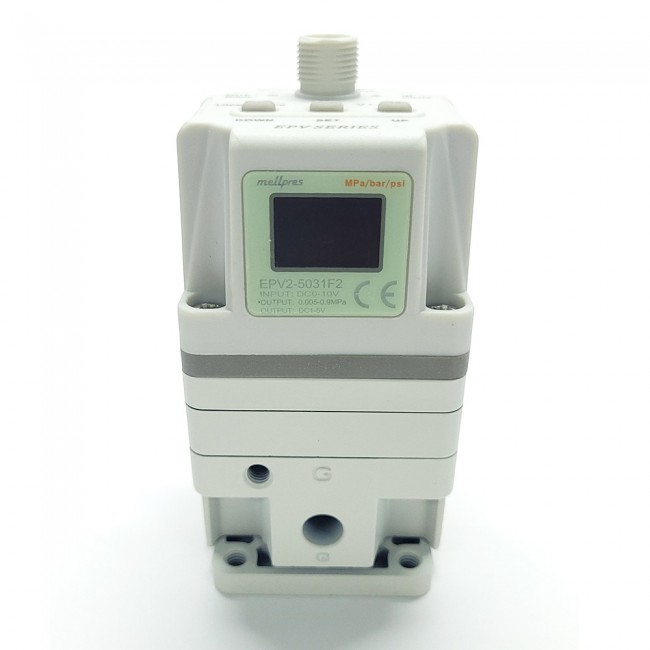
What Is a Proportional Regulator? Why G1/4 – 0–9 BAR 4–20 mA Models Are Essential in Modern Industries
In industrial automation, pressure control plays a vital role in ensuring production stability, product quality, and overall process safety. As manufacturing systems evolve, the demand for more precise and stable components increases—and this is exactly where proportional regulators come into play.
Particularly, models equipped with a G1/4 connection, a 0–9 BAR pressure range, and 4–20 mA signal compatibility stand out for their versatility, ease of integration, and consistent performance.
But what exactly is a proportional regulator, how does it work, and why is it so widely used? Let’s explore in detail.
???? What Is a Proportional Regulator?
A proportional regulator is a device that adjusts the outlet pressure of a pneumatic system in direct proportion to the incoming control signal. In simple terms, “the more signal you send, the higher the output pressure becomes.”
Most modern industrial systems use 4–20 mA analog signals, making these regulators fully compatible with PLCs, DCS units, sensors, and other control equipment. This ensures smooth communication and highly accurate pressure management throughout the process.
⚙️ Key Features of G1/4 – 0–9 BAR 4–20 mA Proportional Regulators
✔ Precision Pressure Control
The regulator translates the analog signal into a proportional pressure output, allowing stable and smooth pressure adjustments. This is especially valuable in applications requiring tight tolerances.
✔ Industrial Standard Signal Compatibility
The 4–20 mA signal offers exceptional noise immunity, making it ideal for long cable runs and electrically harsh environments.
✔ Easy Installation with G1/4 Connection
The standard G1/4 thread allows quick installation and seamless integration into most pneumatic lines.
✔ Versatile Pressure Range
A 0–9 BAR range fits the needs of many common industrial processes—from pneumatic actuators to air preparation units.
???? Where Are Proportional Regulators Used?
Proportional regulators are essential in systems requiring precise and repeatable pressure control, including:
Pneumatic cylinder regulation
Robotics and accurate gripping applications
Automated production lines
Valve and actuator control
Industrial air and gas distribution
Process control and manufacturing environments
Compared to traditional on/off regulators, proportional models deliver smoother performance and significantly higher control accuracy.
???? Advantages of Using a Proportional Regulator
???? Improved Energy Efficiency
Precise pressure control reduces unnecessary air consumption and system overload.
???? Enhanced Product Quality
Consistent pressure minimizes variations in production, improving repeatability and quality standards.
???? Extended Equipment Life
Stable and well-regulated pressure helps pneumatic components last longer.
???? Seamless Automation Integration
Fully compatible with PLCs, actuators, and industrial controllers.
???? Why the G1/4 – 0–9 BAR 4–20 mA Model Is a Popular Choice
This specific configuration is widely preferred due to its reliability and versatility.
Here are the main reasons industries choose it:
Universal industrial compatibility: Works smoothly with almost any control system.
Real-time feedback: The 4–20 mA signal allows continuous monitoring of pressure.
High stability: Ensures repeatable and fluctuation-free pressure performance.
???? Conclusion: The Growing Importance of Proportional Regulators
As industries move toward smarter, more efficient production lines, the need for accurate and stable pressure control becomes essential. Proportional regulators provide reliability, precision, and seamless automation compatibility—making them one of the most important components in modern pneumatic systems.
If your application requires long-term stability, sensitive pressure adjustment, and full automation support, a G1/4 – 0–9 BAR 4–20 mA proportional regulator is one of the most effective solutions available.